

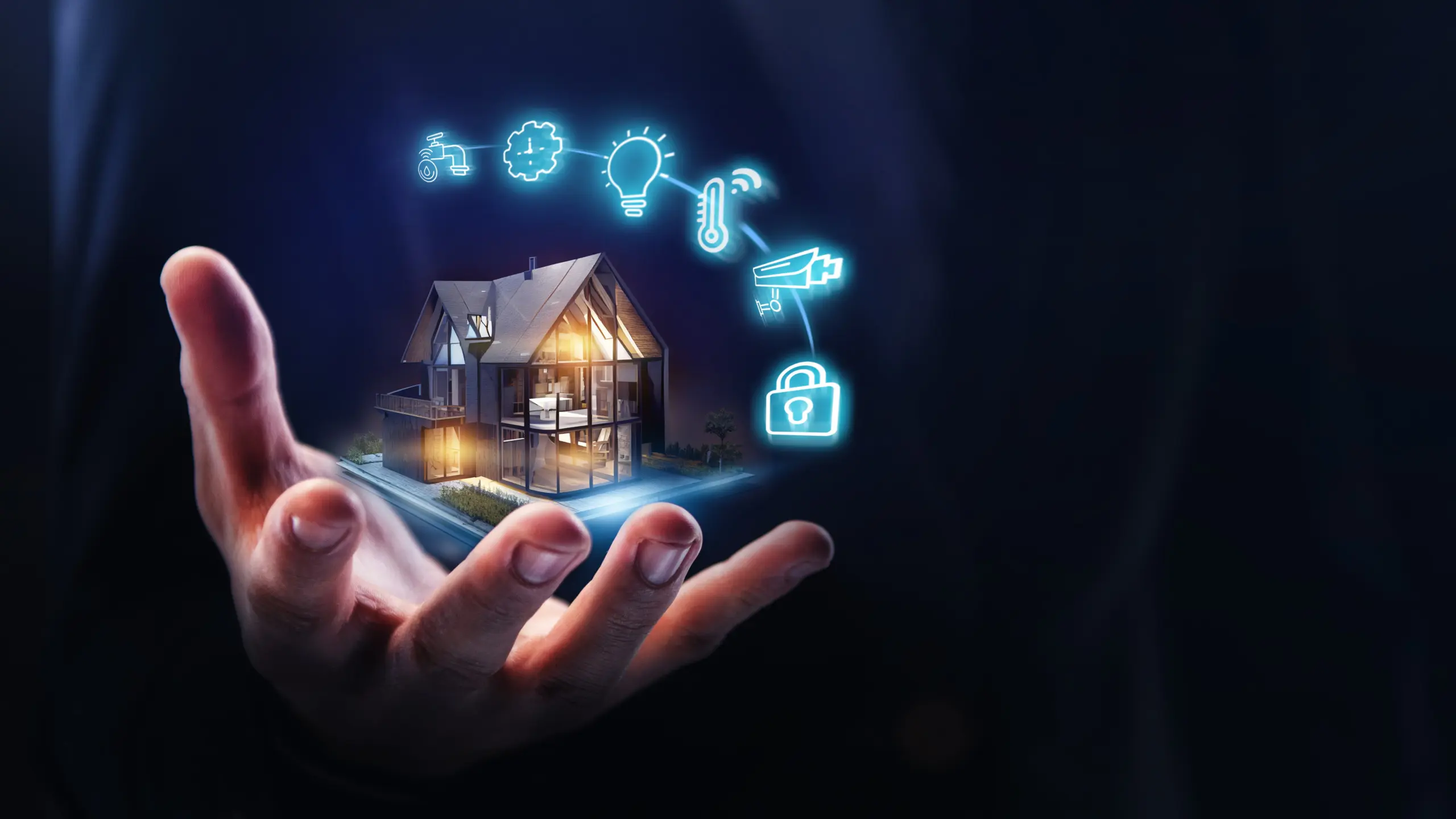
Smart home technology promises convenience through connected devices. Voice assistants, lighting systems, thermostats, and security cameras now appear in many households. These tools communicate through wireless networks and mobile applications, allowing users to manage home functions remotely.
Among the most practical devices are smart thermostats. These systems analyze temperature patterns and adjust heating or cooling automatically. Over time they learn daily routines and adapt energy use accordingly. Many homeowners appreciate the balance between comfort and efficiency that these devices provide.
Lighting systems also demonstrate how automation improves everyday life. Smart bulbs and switches allow users to schedule lighting changes or control brightness from a smartphone. Some systems adjust illumination based on natural daylight or occupancy. These features add convenience while reducing unnecessary energy use.
Not every smart device delivers equal value. Some products add connectivity without meaningful benefits. Before installing new devices, users often consider whether automation solves a real problem or simply adds complexity. The most effective smart home technologies remain simple, reliable, and easy to control.