

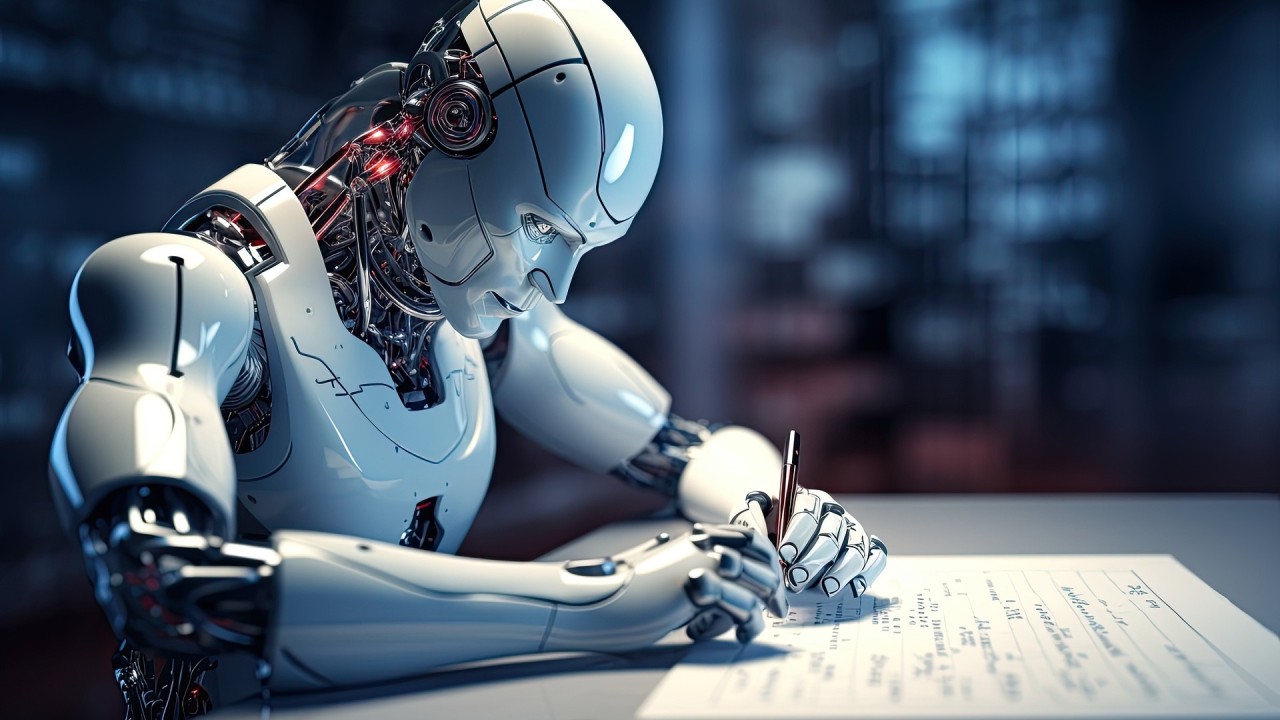
Digital content creation has expanded dramatically during the last decade. Artificial intelligence now plays a visible role in writing, design, and video production. Automated systems generate articles, marketing materials, and visual concepts in seconds. This development raises questions about creativity, authenticity, and the future of professional media.
Supporters see clear advantages. AI tools allow small teams to produce large amounts of content quickly. Businesses publish updates, product descriptions, and educational material without long production cycles. Independent creators gain access to tools that once required specialized skills. The technology lowers entry barriers across many industries.
Critics focus on quality and reliability. Automated systems learn from large data collections that include both accurate and inaccurate information. Without human review, generated text may repeat errors or lack context. Audiences may also struggle to distinguish between human perspectives and automated output.
The future likely involves collaboration between people and machines. Writers, editors, and designers guide the creative direction while AI supports early drafts and repetitive work. This partnership could expand productivity while maintaining editorial judgment. The balance between automation and human insight will shape the next stage of digital media.